What It Is and Why It Matters
If you have spent any time shopping for homes, or are considering a move to Portland and wondering why a modest house on a small lot costs what it does, the urban growth boundary is part of the answer. It is one of the most consequential planning decisions in Oregon's history, and understanding it helps explain a lot about how Portland looks, how it grows, and why housing here works the way it does.
What the Urban Growth Boundary Is
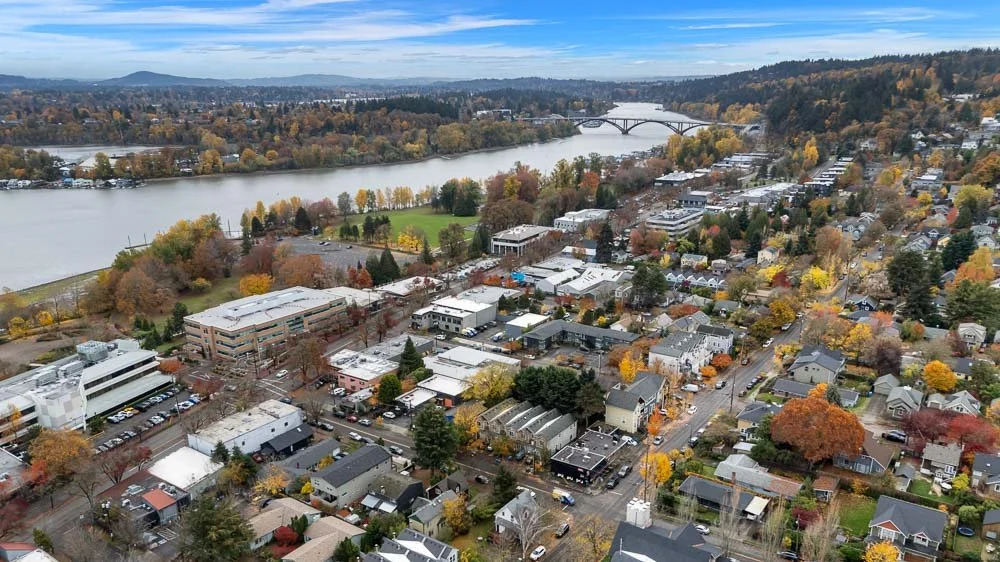
An urban growth boundary, or UGB, is a line drawn around a metropolitan area that separates land designated for urban development from land reserved for farms, forests, and open space. Inside the boundary, cities and counties can build housing, commercial space, and infrastructure. Outside it, that kind of development is largely prohibited.
Oregon's statewide land use planning program, established by Senate Bill 100 in 1973, required every city in the state to adopt an urban growth boundary. Portland's was drawn in 1979 by Metro, the regional government that oversees planning for the tri-county area of Multnomah, Washington, and Clackamas counties. It was one of the first urban growth boundaries in the United States and remains one of the most studied examples of regional land use planning anywhere in the country.
Why Oregon Did This
The early 1970s were a period of intense concern about suburban sprawl consuming Oregon's farmland. Governor Tom McCall, a Republican who had become one of the state's most prominent environmental voices, made land use protection a central issue of his administration. His 1973 speech to the Oregon Legislature is still quoted: he called unregulated development a "shameless threat to our environment and to the whole quality of life" and pushed for a system that would give the state real authority over how and where growth happened.
Senate Bill 100 passed with bipartisan support and created the Land Conservation and Development Commission, which oversees Oregon's land use goals to this day. One of those goals required every city to draw a UGB that could accommodate projected population growth for twenty years while protecting resource lands outside it.
How the Boundary Works
Metro reviews and can adjust the Portland UGB periodically, but expansions require demonstrating that there is insufficient land inside the boundary to accommodate projected housing and employment needs. The process is deliberate and involves significant public input, which means the boundary does not move quickly or easily.
Over the decades, Metro has made targeted expansions, adding land in areas like Damascus, Hillsboro, and parts of Washington County. But the core discipline of the boundary has held: Portland has not sprawled in the way that many comparable American cities have. Drive forty minutes outside of Portland in almost any direction and you will find working farmland and forest rather than subdivisions.
What It Means for Housing Supply
Constraining the outward expansion of a metro area that continues to attract residents has predictable effects on housing supply and price. When you cannot easily build outward, you have to build upward or denser. Portland's response to this pressure has evolved over time, but it has generally been slower than the demand it needed to absorb.
For most of the late twentieth century, single-family zoning dominated large portions of Portland's residential land. That meant that even as the city grew, much of the available land inside the UGB could only be developed at low densities. The result was a city that was geographically constrained on the outside and artificially constrained on the inside, with limited options for adding housing efficiently in between.
This combination is a significant reason why Portland home prices have risen faster than incomes in many years. It is not the only reason, and it is worth being clear that the UGB itself is not a villain in this story. The farmland and open space it protects are genuinely valuable, and the compact, walkable neighborhoods of Portland it helped create are a large part of what makes Portland attractive. But the land use constraints it creates are real and they show up in home prices.
Where Things Stand Today
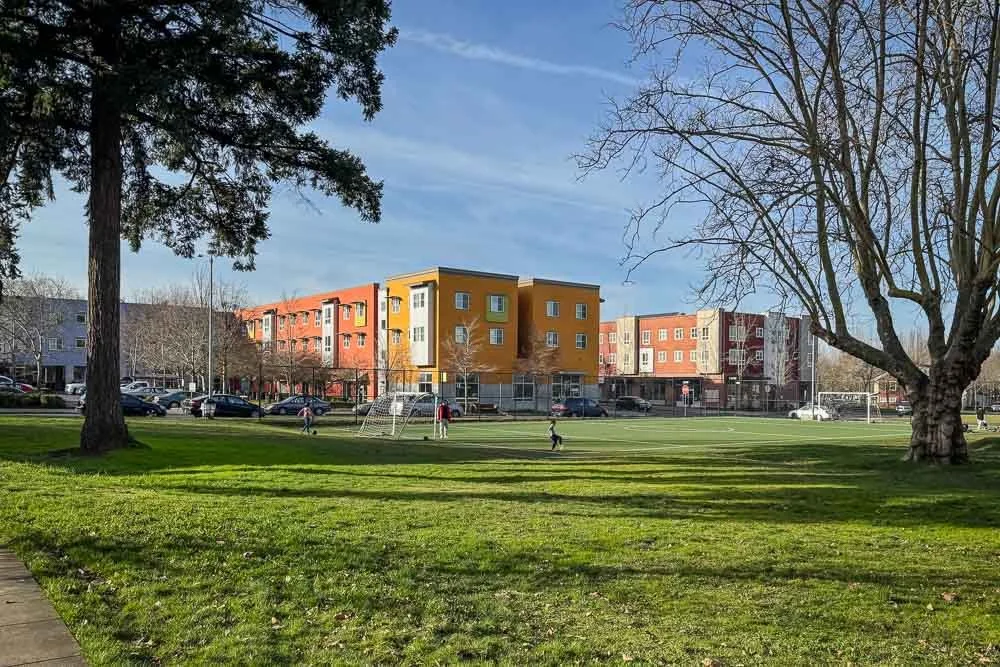
Oregon has responded to its housing affordability crisis through a series of legislative changes that attempt to increase density inside the UGB rather than expanding it outward. House Bill 2001, passed in 2019, effectively ended single-family only zoning in most Oregon cities by requiring that duplexes be allowed on any lot where a single-family home is permitted. Larger cities, including Portland, were required to also allow a broader range of middle housing types including triplexes, fourplexes, cottage clusters, and townhouses.
These changes represent a significant shift in how Oregon is thinking about housing supply. Rather than expanding the boundary, the strategy is to use the land inside it more efficiently. Whether that produces enough housing at the right price points remains an ongoing question, and one worth paying attention to if you are buying or selling in the Portland metro.
The UGB continues to shape nearly every aspect of how Portland grows. It influences where new development happens, what kinds of homes get built, how neighborhoods evolve, and ultimately what buyers find when they search for a home here. Understanding it does not make the market easier to navigate, but it does make it make more sense.

This article is for educational purposes only and is not legal, financial, or tax advice. Every situation is different. We recommend consulting with a qualified attorney or land use professional for questions specific to your circumstances.
Looking for the Right Portland Neighborhood?
Portland neighborhoods vary more than most people expect. Our guide to the best Portland neighborhoods covers the city's main areas by location, character, and what it is actually like to live there. Or try our Portland Neighborhood quiz to see what neighborhoods might fit your lifestyle.


A Note for Buyers and Sellers
If you have questions about how zoning and land use affect the value or potential of a specific property, that is a conversation worth having before you buy or sell. We are happy to talk through what we know and point you toward the right resources when the question goes beyond our lane.
Kim Campbell, Realtor | PSA, RENE | Licensed Oregon Broker
Francisco Salgado, Realtor | MCNE, EA | Licensed Oregon and Washington Broker
Campbell Salgado Real Estate Group with Soldera Properties